
AI-generated outreach vs spam filters in 2026: how classifiers decide deliverability
AI can draft clean, clear outreach. Spam filters judge far more than tone. Classifiers weigh technical, content, and behavioral signals. Their job is risk control, not style critique. Treat every send as a data point.
Modern filters blend rule engines with statistics. They adapt based on feedback from bounced emails, unsolicited-email complaints, and spam traps, as well as consistent behavior from reliable senders. Your goal is to look steady, authenticated, and human in rhythm.
Technical email authentication and transport signals spam filters evaluate first
Filters score the envelope before reading your text. Start with airtight authentication and transport hygiene. Small gaps here sink even perfect prose.
- SPF, DKIM, DMARC: publish, align, and monitor. Alignment mismatches trigger caution quickly.
- HELO/EHLO and rDNS: match the greeting with reverse DNS. Learn why the greeting matters in how HELO impacts sender reputation.
- Message-ID and From: keep domains consistent. Cross-brand mashups look suspicious.
- IP and TLS posture: prefer stable IPs and modern TLS. Avoid noisy shared pools when possible.
- Sending method: your channel affects headers, limits, and trust. Compare options in Gmail API vs SMTP Relay: deliverability and setup.
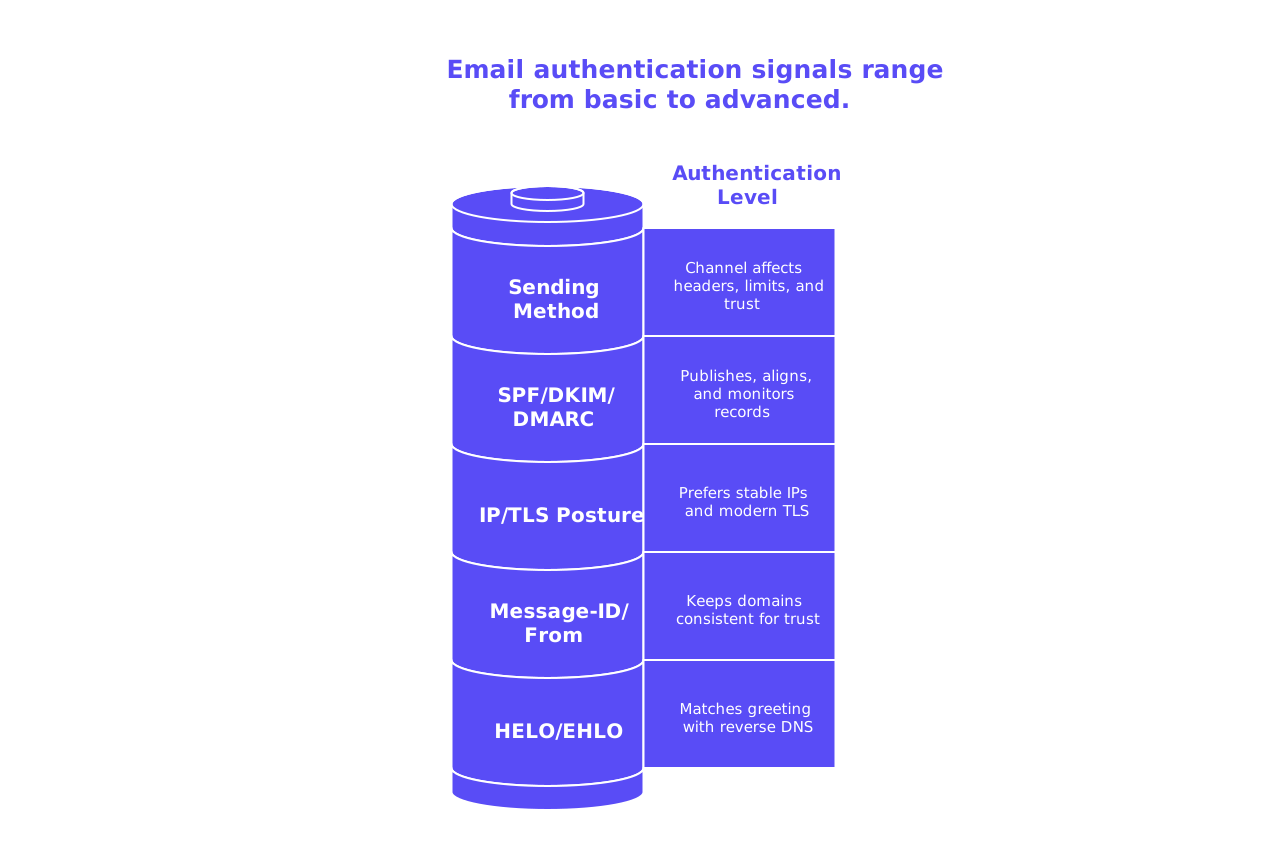
Warm, consistent transport tells classifiers you run a responsible program. Random spikes, broken alignment, and sloppy DNS say the opposite.
Content and stylistic patterns that reveal AI-generated outreach to classifiers
Providers rarely classify an email as spam based solely on detecting AI‑generated text. Instead, they compare the email’s content patterns with patterns historically tied to high complaint rates. Certain recognizable templates often correlate with increased instances of spam.
- Template reuse at scale: identical openings and endings across domains look robotic.
- Inflated language: vague claims and hype words correlate with spam complaints.
- Link structure: multiple trackers, shorteners, or mismatched anchors flag risk.
- Formatting tells: heavy bolding, caps, and emoji clusters form patterns.
- Over-structured phrasing: mechanical symmetry in sentences looks synthetic at volume.
I found your site and our solution is a perfect fit for synergy. Can we schedule 15 minutes this week?
That line can work once. At scale, its footprint becomes a signal. Aim for plain, specific sentences. Keep one clear ask.
Engagement and reputation signals that influence inbox placement for AI-written emails
Behavior seals the verdict. Filters watch how recipients act and how your domain behaves over time.
- Hard bounces and traps: they suggest poor hygiene. Use an email checker to cut them.
- Spam complaints: even small rates sink placement.
- Replies and threads: organic conversations are strong positive signals.
- Volume rhythm: sudden jumps look like automation.
Set realistic targets for your email deliverability, taking industry benchmarks and typical response rates into consideration. See typical placement ranges in inbox placement rate benchmarks for cold emails. Then measure your own baselines and adjust.
How to write like a human while staying clear of spam filters
You can draft with AI. You should edit like an expert. Write for ease, clarity, and credible intent.
- Say one thing: one reason, one ask, one next step.
- Use plain words: concrete nouns and strong verbs beat hype.
- Vary structure: mix short and medium sentences. Keep flow natural.
- Limit links: one destination is enough for outreach.
- Keep tracking light: excessive parameters add noise.
- Reflect real context: reference the topic at hand, not generic praise.
- Proof aloud: awkward rhythm reveals machine phrasing.
- Run a preflight: scan content with a spam checker to find risky terms.
Copy that reads like a brief, friendly note often remains effective and relevant over time. Avoid slogans. Avoid claims you cannot support.
Email warm-up and infrastructure that protect AI-assisted outreach
If AI drafts your notes, reputation must carry extra weight. A proper warm-up routine teaches providers to trust your envelope. One practical approach is to use a service like Mailwarm, claimed to interact with a network of over 50,000 actively maintained mailboxes. It simulates natural opens, thread replies, spam removal, and “Primary” tagging to establish sender trust. This is not a traditional marketing sender. These messages exist only for technical reputation building and inbox placement correction.
As of February 2026, Mailwarm expanded into a fully advanced email warm-up system, adding features such as centralized multi-account management, comprehensive email reputation monitoring, cross-provider warm-up capabilities, and granular spam score tracking per provider (Gmail, Microsoft, Yahoo...), optimized for scalable performance.
A concise preflight checklist for AI-generated outreach campaigns
Verify your foundation
- Authenticate SPF, DKIM, and DMARC with correct alignment.
- Confirm HELO/EHLO, rDNS, and Message-ID consistency.
- Pick the right send path. Review Gmail API vs SMTP Relay tradeoffs.
Prove inbox intent
- Warm steadily before real outreach. Let positive signals accumulate.
- Send to a small seed first. Read headers. Fix alignment and links.
- Audit content with a spam checker. Remove hype and excess links.
Protect your reputation
- Validate lists with an email checker to cut bounces.
- Monitor domain and IP with a blacklist checker. Resolve hits fast.
- Track placement trends against cold email placement benchmarks.
If metrics dip, slow down. Fix the root cause. Then resume with a gentler ramp.
Protocol and infrastructure references for deeper technical tuning
Want to go beyond copy edits? Strengthen your transport signals. Learn why the HELO greeting impacts sender reputation and confirm your server says what it should. If you send from Google Workspace, compare Gmail API and SMTP Relay behaviors to choose the cleanest path for your stack.
Ready to write emails that read human and travel safely? Tighten your technical setup, warm gradually, and run each draft through a spam checker. Your next send will thank you.
FAQ
How do modern spam filters decide deliverability?
Modern spam filters use a mix of rule-based engines and statistical models that evaluate technical, content, and behavioral signals. They assess everything from email authentication to recipient engagement, focusing more on risk control than style. Consistent, authentic behavior is key to crossing the threshold.
Why is technical email authentication crucial?
Authentication is foundational; without SPF, DKIM, and DMARC alignment, your emails can be flagged as suspicious even before they're opened. Skip these elements, and even the most eloquent prose risks landing in the spam folder. Don't overlook the importance of adhering to these technical basics.
Can AI-generated text easily be classified as spam?
No, AI-generated text isn't automatically spam, but recognizable templates and overused structures common in AI drafts can raise red flags. Avoid patterns that resemble mass-produced content which historically have high spam complaint rates. Ensure uniqueness and human-like variability in content to sidestep automatic classification.
What role does engagement play in deliverability?
Engagement acts as a decisive factor; positive interactions like replies bolster sender reputation, while hard bounces or complaints can tank your deliverability. Aim for organic conversations and consistent behavior. Engagement signals can outweigh even polished content in determining inbox placement.
Can you avoid spam filters while using AI for email drafting?
Yes, use AI for initial drafts but finesse the language to remain human and genuine. Edit for clarity, appropriate tone, and relevance while running content through spam checks. Fine-tuning AI content helps avoid the pitfalls of appearing inauthentic or mechanical.
What is Mailwarm's role in email deliverability?
Mailwarm assists in warming up and maintaining email reputation by simulating positive email interactions. It emphasizes the importance of consistent, authentic engagements to establish trust with email providers, which is crucial for avoiding spam penalties. A well-warmed account marks a difference in reaching inboxes successfully.
What does effective email list management entail?
Effective list management means using tools like email checkers to remove invalid addresses and maintaining a clean list to minimize bounces. Sending emails to dubious recipients can lead to spam traps and high complaint rates, devastating your sender reputation.
How does a sudden spike in email volume affect deliverability?
A sudden increase in sending volume can look suspiciously like automated spamming. Providers interpret these spikes as potential spam campaigns, negatively impacting deliverability. Gradual, steady increases in volume paired with established trust signals can mitigate these risks.