
Why Regular Cold Email Follow-Ups Boost Reply Rates Without Hurting Relationships
Your initial cold email is rarely enough to secure attention. Inboxes are overwhelmed, and priorities shift in moments. An organized, respectful follow-up series ensures your offer remains visible and credible. This approach demonstrates reliability, recipients are likelier to respond when they sense you are persistent, organized, and helpful.
Each follow-up should have a clear purpose and a strong reason for the recipient to reply. Avoid unnecessary filler. Keep messages concise. Reference the prior thread to provide context. Show that you’ve invested in learning about them, and always end with a straightforward, singular ask.
I noticed you reviewed the proposal but haven’t responded yet. Would a 10-minute call help you make a decision?
Civility is crucial, provide a simple way for the recipient to reply or opt out, making the process effortless and maintaining goodwill.
Inbox Placement and Sender Reputation: The Foundations of Cold Email Follow-Up Success
Your emails can only spark replies if they actually reach the inbox. Achieving this depends on your domain’s reputation and technical configuration. Protect these elements before ramping up your follow-up campaigns. Ensure you correctly set up SPF, DKIM, and DMARC. Consistency between the visible From address, Return-Path, and sending IP reputation is essential. The identity you use to send should remain stable over time.
Mailbox providers assess the history of your emails looking at factors such as spam complaints, undeliverable addresses, and unexpected surges in mailing volume. Warm up new domains methodically before launching outreach. Gradually increase send volume, keeping bounce rates minimal. If you notice emails landing in spam, halt further sending to diagnose and fix the issue before continuing with follow-ups.
To understand what successful cold email strategy entails, benchmark your current practices with industry peers using these inbox placement benchmarks.
Technical Preparation Checklist: Set Up Your Domain for Follow-Up That Drives Replies
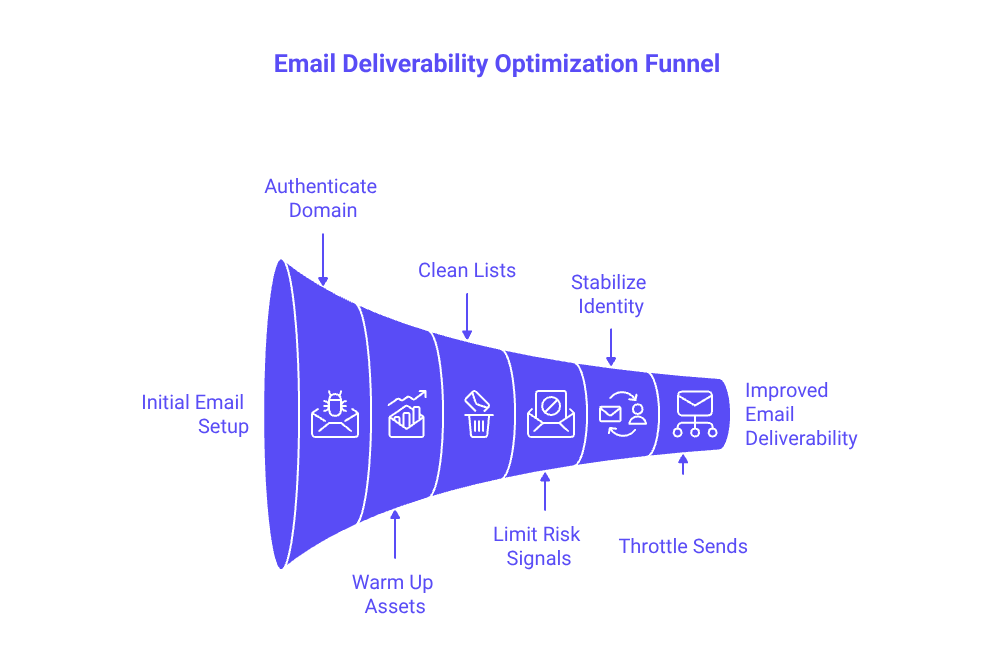
- Authenticate fully: Configure SPF, DKIM, and DMARC. Align all email headers with your domain.
- Warm new assets: Begin with low daily send volume, increasing as you confirm your emails are reaching inboxes reliably.
- Keep lists clean: Immediately remove addresses that result in hard bounces. Suppress generic or role-based accounts where possible.
- Limit risk signals: Reduce the number of links and images in your messages. Avoid using URL shorteners and omit bulky attachments.
- Stabilize identity: Always use the same From name and email address for outreach.
- Throttle sensibly: Distribute sends throughout the day, and avoid sudden increases across multiple providers.
- Test before scaling: Use spam checkers to evaluate your content. Examine email headers and spam scores before expanding volume.
If you encounter unexplained bounces or warning codes, reassess your technical setup. As delivery standards evolve each year, review this guide detailing why emails bounce under 2026 delivery rules to decode current patterns.
Structuring a Follow-Up Cold Email for Fast, Simple Responses
Clear communication trumps clever language. Reply directly within the same email thread and provide context immediately. Focus on a single request and craft your messages to be easily read on mobile devices.
- Subject: Keep the existing thread. Add a gentle prompt like Quick follow-up on X.
- Opener: Explain why you are reaching out again.
- Value line: Share one concise, outcome-driven benefit instead of listing features.
- Proof: Add a brief statement that establishes credibility.
- CTA: Use a single, straightforward yes-or-no question.
- Exit: Clearly offer an option to opt out.
Hi Maya, just checking in on the analytics demo. Teams similar to yours have been able to cut their prep time by 30%. Would a quick 12-minute walkthrough this week be helpful?
If now isn’t the right time, just reply pause and I’ll close the loop.
Looking for advice on tone? Check out this practical guide to following up without sounding pushy.
Planning a Respectful Cold Email Follow-Up Cadence
Space messages to avoid overwhelming recipients, two to five business days between follow-ups suits most sales cycles. Limit your sequence to four to six emails, stopping earlier if interest is low or risks increase.
Vary your messages. Share a new proof point or ask a quick alternative question (for example, “should I connect with someone else?”). Maintain a friendly, professional tone throughout. If you still get no response, send a final note to close the loop, protecting both your reputation and your email list quality.
Keep all follow-ups within the same email thread, unless there’s a legitimate context change. Thread continuity aids recognition by both recipients and email service providers.
A well-maintained and accurate email list is essential for maximizing deliverability and ensuring your outreach efforts aren’t wasted on invalid or irrelevant contacts. Using a LinkedIn email finder can help you identify and verify professional email addresses, so your messages consistently reach the right decision-makers.
How to Identify and Address Weak Reply Rates in Your Cold Email Follow-Ups
- Check placement first: If your emails start landing in spam, pause sending and resolve the issue.
- Scan content risk: Run your content through spam checkers and adjust language or link structures as necessary.
- Inspect bounces: Treat hard bounces as list accuracy problems; clean those addresses immediately.
- Watch complaints: Complaints rapidly erode sender reputation. Improve targeting and ensure clear opt-out options.
- Review sending identity: Make sure your domains, signature, and footer are consistent and legitimate.
- Shorten the ask: Replace broad or open-ended CTAs with clear, binary questions.
- Pause volume growth: Hold your sending rate steady until inbox placement and reply rates are healthy again.
For more on deliverability baselines, compare your metrics against these current inbox placement benchmarks. If you run into new or confusing bounce codes, revisit the 2026 rule explainer for common causes.
Supporting Your Follow-Ups with Safe Warm-Up and Natural Engagement
Before launching large-scale campaigns, build up a positive sending history. Use a network of over 50,000 maintained mailboxes to generate simulated opens, thread replies, and spam folder rescues. These activities signal to mailbox providers that your messages are valuable and wanted.
Starting from February 2026, Mailwarm has become an advanced email warm-up solution. The platform now offers robust multi-account management, deep deliverability insights, multi-provider warm-up capabilities, and real-time spam score tracking, all designed to sustain inbox placement at scale.
This workflow is technically focused, not conventional marketing, but its purpose is to develop steady, positive engagement patterns. Pair a gradual increase in sending volume with consistently clean lists to ensure your follow-ups reach the inbox.
Track the Metrics That Predict Replies and Domain Health
Focus on the signals that directly impact deliverability and response rates, rather than vanity stats. Track your inbox placement rate by provider, monitor spam folder placement and complaint rates, and note both the type and volume of bounces. Pay close attention to the quality of replies rather than just quantity.
Regularly test your content with spam checkers, and revalidate authentication if you change DNS settings. If results decline, check if you’ve been added to any blocklists, and resolve those issues before ramping up volume again. Maintain a simple log of changes, this will allow you to tie shifts in your inbox placement rate to specific edits or increases in email volume, helping you better understand what actions lead to positive or negative outcomes.
Consistency builds trust with both recipients and spam filters. Small, steady improvements are more effective than sudden bursts of large-scale changes, which can raise suspicions.
Ethical and Legal Best Practices for Sustainable Cold Email Follow-Ups
Promptly honor opt-out requests and always provide an easy unsubscribe option. Clearly identify your business and address. Make sure your practices comply with local legal requirements. When in doubt, send fewer emails or end the outreach. Earning trust and displaying respect will yield more replies over time.
Bringing It All Together: Send Follow-Ups That Get Replies
Ensure your technical setup is robust. Warm up your domain responsibly. Keep follow-up emails brief, clear, and actionable. Space your outreach carefully and track key metrics. Address any issues before sending additional follow-ups. For more advice on tone and message construction, revisit the guide to polite yet persuasive follow-ups. Ready to improve your next sequence? Start with just one change and build consistent success from there.
FAQ
Why are regular follow-ups important in cold emailing?
They keep your email top-of-mind amidst inbox clutter and show your commitment and professionalism. Ignoring follow-ups means you risk becoming another forgotten message. Strategic follow-ups enhance credibility without overwhelming the recipient.
How can I improve my email deliverability for follow-up campaigns?
Authenticate your domain with standards like SPF, DKIM, and DMARC before launching. Warm up new domains gradually to avoid spam filters. Use Mailwarm to protect your sender reputation by simulating positive engagements.
What makes an effective cold email follow-up?
Focus on a simple, clear ask within the same email thread for continuity. Avoid excessive language or features; offer a single value-driven reason for reply. This ensures clarity and boosts engagement probability.
What are the risks of neglecting email list management?
Failing to maintain a clean list can increase bounce rates and damage your domain reputation. Hard bounces are list accuracy issues that lead to poor deliverability. Regularly update your lists to stay off email blacklists.
How does Mailwarm assist in email warm-up and engagement?
Mailwarm boosts sender reputation by simulating positive inbox interactions before full-scale campaigns. This prevents messages from landing in spam folders, ensuring steady engagement rates. It's essential for scalable outreach.
Why should follow-up email frequency be monitored closely?
Excessive follow-ups within short intervals overwhelm recipients and risk complaints. Maintain a professional cadence to ensure your message is anticipated rather than resented. It's about timing your persistence to optimize responses.
What should you do if your emails start going to spam?
Pause your campaigns immediately and analyze your technical setup. Adjust content that triggers spam filters and review complaint rates. Use Mailwarm or similar tools to boost inbox placement before resuming.